How to Become a Coffee Equipment Distributor: A Complete Beginner’s Guide
Have you ever thought about entering the coffee equipment distribution business? It’s a vital role: supplying local coffee shops with the machines and commercial coffee equipment they need to operate every day. Many assume that becoming a coffee equipment distributor requires significant capital, but in the specialty coffee world, a small-batch model is not only viable—it’s increasingly successful.
What Does a Coffee Equipment Distributor Actually Do?
In simple terms, you are the bridge between the equipment manufacturer and the coffee shop. Your clients are likely local cafe owners—often small businesses with 2 to 10 employees. They might be new shops needing a full fit-out, or established cafes that require replacement parts (portafilters, gaskets, baskets) or new machines.
Your core value proposition is: You save the cafe owner from the hassle of dealing with factories directly. You prevent them from waiting a week for a tiny gasket or being forced to over-order inventory just to get a decent price.
Typical Daily Tasks:
- Product Selection & Stocking: Identifying the most common machines in your local market and keeping their essential parts and accessories in stock.
- Quoting & Ordering: When a client needs something, you provide a clear, complete quote quickly.
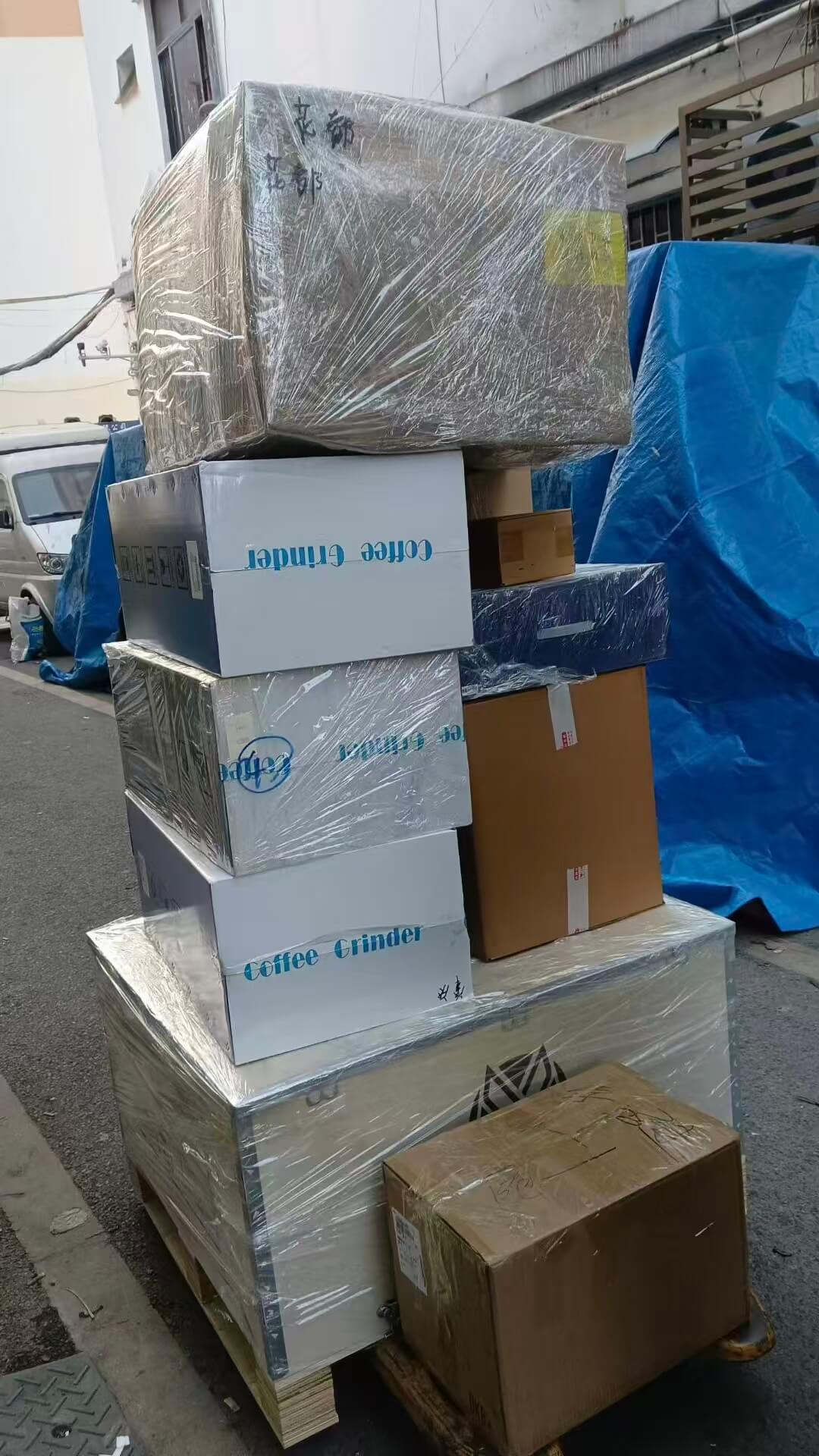
- Fulfillment: Sourcing and packing all the items—from rubber gaskets to a new espresso machine—and shipping them as one complete order.
- After-Sales Support: Being the first point of contact when something breaks or isn’t working right.
What Are the Real Barriers to Entry?
The word “distributor” can sound intimidating, but the actual barriers for this niche are lower than you might think.
| Potential Barrier | The Reality |
|---|---|
| Capital | You don’t need millions in inventory. Start by stocking high-turnover parts and one or two popular machine models. Many successful distributors begin with a minimum order in 2-5 sets machines. |
| Warehouse | You don’t need a massive facility. A garage or a small storage unit with sturdy shelving is often enough to manage your initial inventory. |
| Technical Knowledge | You need to understand basic machine anatomy (which group gasket fits which machine). This knowledge is gained through experience and good supplier support. |
| Supplier Relationships | This is the most critical factor. You need a wholesale coffee equipment partner who is willing to support small-batch orders and act as your back-end partner. |
How to Choose the Right Coffee Equipment Supplier
This decision will make or break your business. The most common pain point for new coffee equipment distributors is feeling abandoned by suppliers: “The factory ignores my small orders,” or “I spend all my time hunting for parts instead of selling to my customers.”
An ideal supplier of espresso machine parts should function as an extension of your own company—a reliable “back-end department”—rather than just a entity that ships boxes. Here’s a checklist to evaluate potential wholesale coffee equipment partners:
- Response Speed: How quickly do they provide a clear, itemized quote?
- Assortment & Fulfillment: Can they supply the full range of items you need in a single shipment?
- Small-Order Friendly: Are they willing to work with small-batch orders?
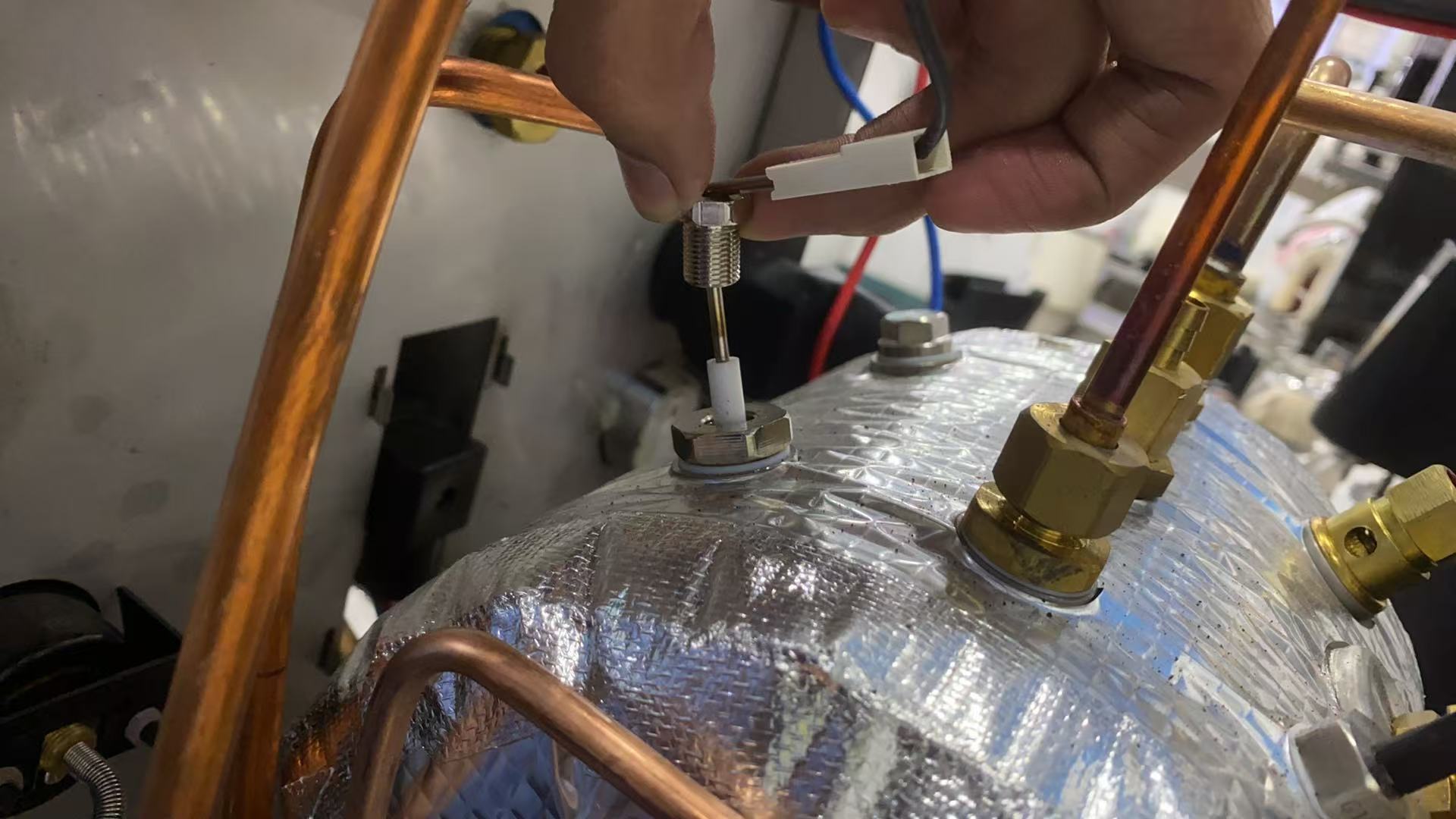
- After-Sales Support: When a machine breaks down, can they help you troubleshoot?
- Technical Resources: Do they offer troubleshooting guides, maintenance videos, or even the ability to hop on a video conference call to help you and your customer solve a problem in real-time?
An ideal supplier of espresso machine parts should function as an extension of your own company—a reliable “back-end department”—rather than just a entity that ships boxes. Here’s a checklist to evaluate potential wholesale coffee equipment partners:
- Response Speed: How quickly do they provide a clear, itemized quote?
- Assortment & Fulfillment: Can they supply the full range of items you need in a single shipment?
- Small-Order Friendly: Are they willing to work with small-batch orders?
- After-Sales Support: When a machine breaks down, can they help you troubleshoot?
- Technical Resources: Do they offer troubleshooting guides, maintenance videos, or even the ability to hop on a video conference call?
A 3-Step Plan to Launch Your Distribution Business
Phase 1: Define Your Niche and Service Area
Start by defining your territory. Which local neighborhoods or cities will you serve? Focus on the 1-2 most popular commercial machine brands in your area and become the expert on their parts and maintenance.
Phase 2: Build Your Product Knowledge and Quote System
Get a complete product catalog and high-quality images from your supplier. Use these to create your own professional quote templates. The goal is to be able to respond to any inquiry within minutes with a clear, complete offer.
Phase 3: Find Your First Clients
Don’t try to boil the ocean. Start with cafe owners you already know. Visit shops where you’ve noticed service could be better. Introduce yourself and leave a simple business card or flyer. Your message is simple: “I’m your local parts and equipment source. Quick quotes, fast fulfillment, and I’m here to help when you need support.”
Success Stories: Distributors Who Built Trust
We’ve spoken with distributors who have built sustainable, profitable businesses. They all share one common trait: they found a supplier that makes them feel like a “big company” with a dedicated support team.
“Last month, one of my best customers had a machine that stopped building pressure. They were panicking. I know how to sell equipment, but I’m not a technician. Before, I would have just given them the manufacturer’s number and hoped for the best. This time was different. I messaged my supplier, and within an hour they sent me a 3-minute troubleshooting video. I went to the cafe, we watched it together, followed the steps, and fixed it in 10 minutes. The owner said, ‘This is why I buy from you.'”
— A distributor in the Midwest
This is the power of the right partnership. Video guides, online documentation, and video conference support turn a non-technical distributor into a trusted, full-service partner for their clients.
Your Next Steps: Find a Reliable Equipment Partner
Becoming a coffee equipment distributor is an achievable goal. It doesn’t require a fortune or a warehouse. It requires a commitment to serving your local coffee community and a partnership with a supplier who treats your success as their own.
If you’re looking for a coffee equipment distributor partner who offers small-batch wholesale pricing and video-based after-sales support, we should talk.
👉 Contact Us to request a sample Distributor Welcome Kit and a sample Parts Price List.
Frequently Asked Questions
How much does it cost to become a coffee equipment distributor?
Startup costs vary, but many successful distributors begin with an initial inventory investment of $8,000 to $20,000, focusing on high-turnover parts and one or two popular machine models. The key is finding a supplier that offers small-batch wholesale pricing so you’re not forced to over-invest upfront.
Do coffee equipment distributors need technical knowledge?
Not at the start. While basic familiarity with espresso machines helps, the most important factor is your supplier’s technical support. If they provide troubleshooting guides, maintenance videos, and video call assistance, you can look like an expert to your clients even while you’re learning.
Where can I find a reliable coffee equipment supplier for small orders?
Look for suppliers who explicitly state they work with small-batch distributors. Ask about their minimum order quantities (MOQs), their response times for quotes, and most importantly, what kind of after-sales support they offer. The best partners will provide documentation, videos, and direct troubleshooting assistance.
How do I convince cafes to buy from me instead of big online retailers?
Your advantage is speed and personal service. When a cafe’s machine breaks, they can’t wait a week for a part. If you stock the common parts for their machines and can deliver same-day or next-day—and back it up with on-call troubleshooting support—you become indispensable.
Pro Tip: Want to really lock in your clients? We give our distributors a free “Cafe Success Toolkit” to share with their customers. It includes a startup cost calculator, an inventory tracker, and a profit margin guide. It turns you from a vendor into a partner—and it’s something no online retailer can offer.
✅ Exclusive for New Partners: Join our Distributor Support Hub, which includes:
- Step-by-step maintenance and troubleshooting videos for major machine models (updated regularly).
- Downloadable PDF guides for common repairs.
- A monthly live Q&A video call where you can get direct support (and even bring your clients’ questions to the session).