Distributor Story: What a Private Label Wanted in Their Market — and How We Made It Happen
We get a lot of inquiries from India. People ask around, but only a few actually turn into long-term partners. It’s no secret—the Indian market is known for being demanding, price-sensitive, and often exhausting to negotiate with. Many walk away empty-handed.
But there are always exceptions. For us, one of them is Seth and Satish—an Indian client we’ve now worked with for over 3 years.
They run their own commercial kitchen equipment brand. As the coffee scene in India has grown in recent years, becoming a coffee equipment distributor became a natural focus for them. From the very first online conversation, they stood out: not many words, but every question hit the mark. No fluff.
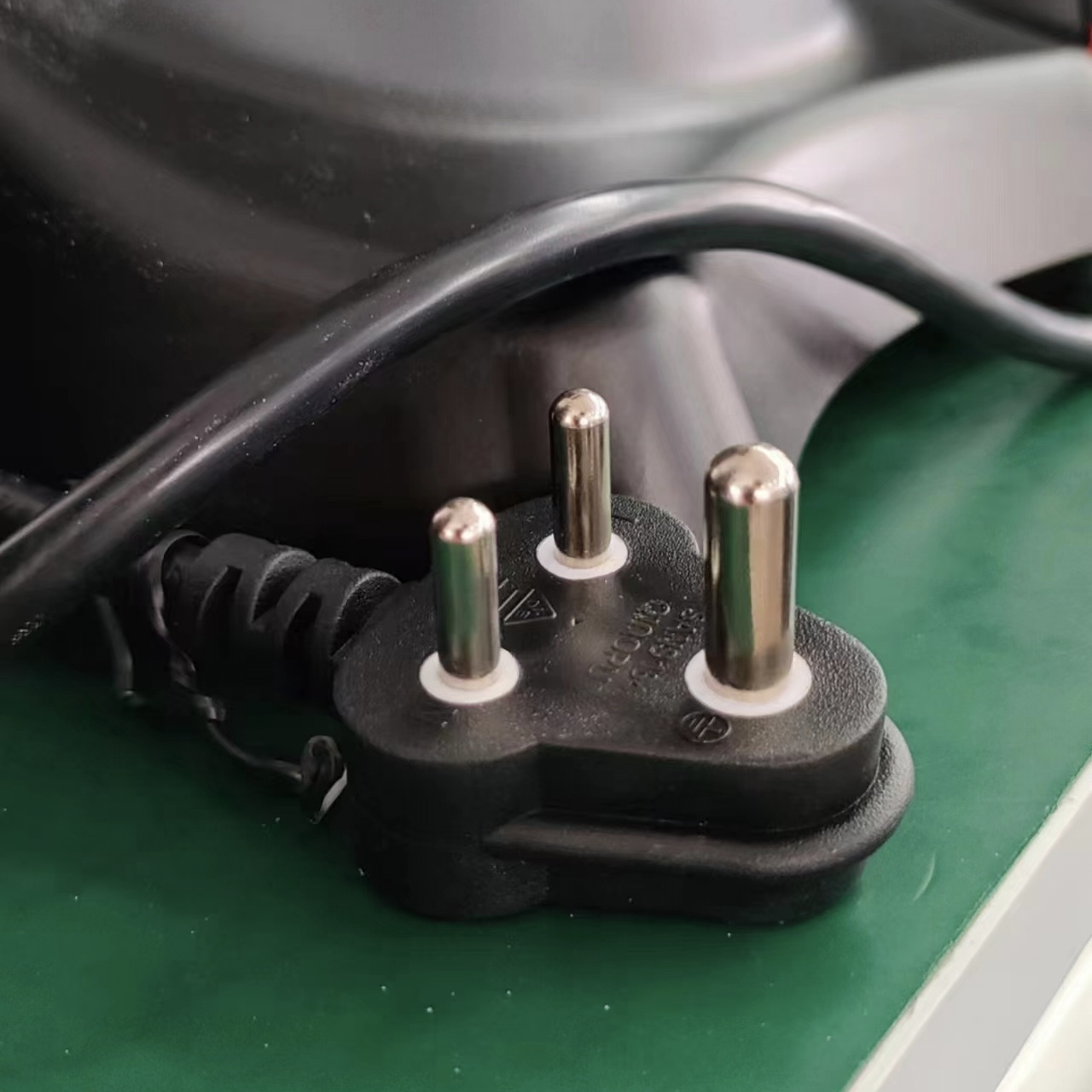
Local requirements, no exceptions. One of the first things we had to get right: the Indian standard plug. It sounds small, but it’s the kind of detail that tells a distributor you understand their market. No brand names, just the attention to local specs.
Then came the first sample order—and that’s when things got “complicated.”
They had specific requirements: custom logos on the machines and even on the display screens, custom user manuals, specific outer carton markings, and even the barcode ranges had to be reviewed and confirmed one by one. Honestly? At first it felt a bit tedious. You just want the order to move along. But then it clicked—this is how a serious warehouse operation runs.
So we took our time and followed every request. Before sealing the samples, we sent photos from every angle for confirmation. Little by little, trust started to build.
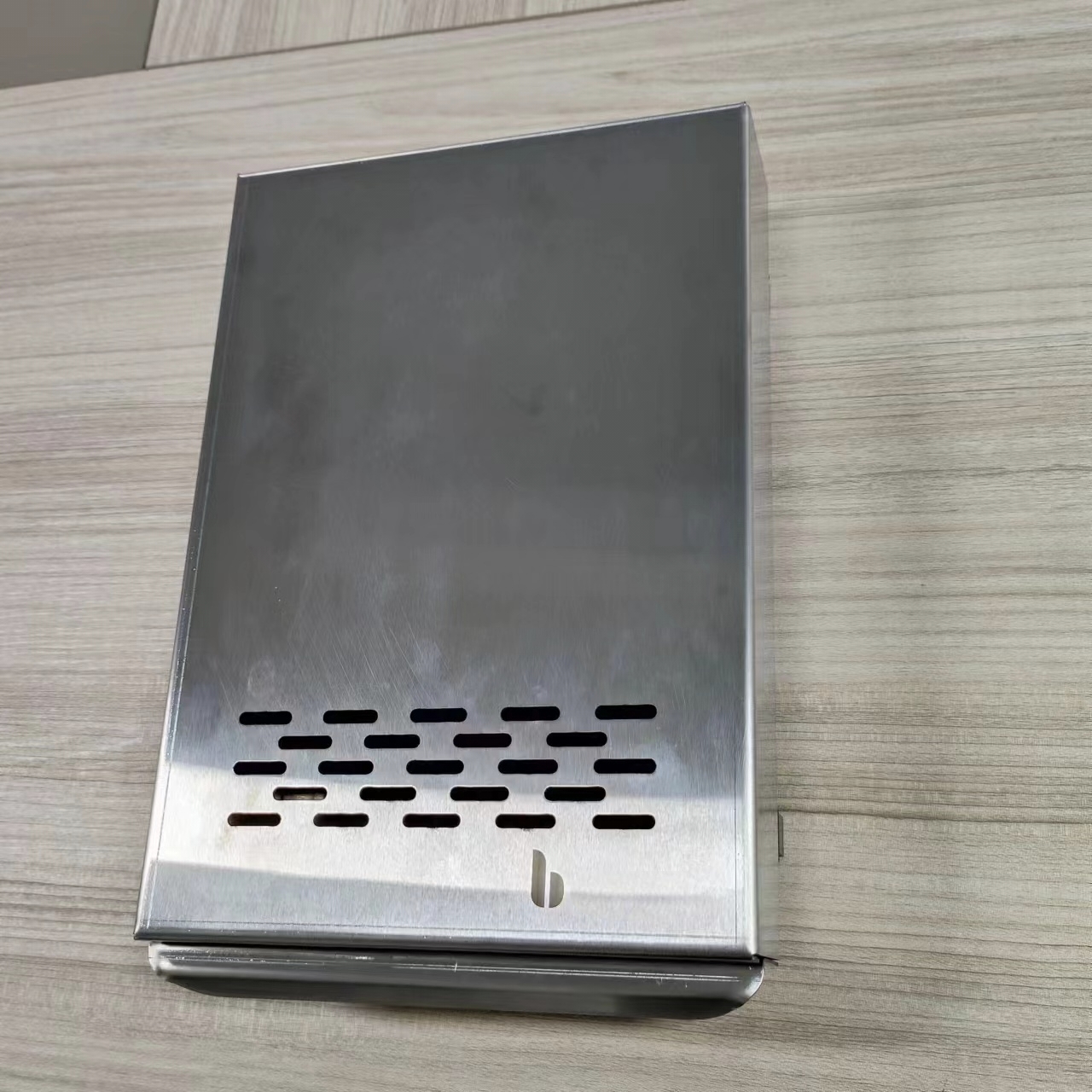
Customisation without overexposure. This knock box came from the sample run—they wanted their logo on it, and we made it happen. No client name shown here, but the precision is the point. It shows we can follow brand guidelines without cutting corners.
When it was time to sign the production contract, Satish said something that stuck with me: “You know how the Indian market works. Everyone wants good quality, but they also want the best price. So give us your best price now, and we won’t bargain again later.”
Sounds simple. But anyone in this business knows—clients who actually stick to that? Rare.
They come to China once a year to visit factories. One time, Satish asked if I could help book their train tickets and hotel for a trip to another city. I handled the arrangements. When we met, he handed me the cash—didn’t even ask me to round it down. That moment stayed with me. You handle the small things well, and people start treating you like one of their own.
SKD testing in progress. When the new Indian regulations made whole-unit imports difficult, we shifted to SKD. This is footage from the production line—final testing before disassembly. The technicians who later visited learned exactly these steps. No client branding visible, just the process that made the partnership continue.
Last year, they hit a roadblock. New Indian regulations required factory inspections by Indian officials for certain equipment. Problem was, the inspectors couldn’t come to China. That kept a lot of new suppliers out of the market.
Seth and Satish came to us with a solution: ship as SKD. Disassemble the machines into semi-finished parts and components, and let them handle final assembly locally. They even sent their technicians to our factory to learn the last few steps of the process.
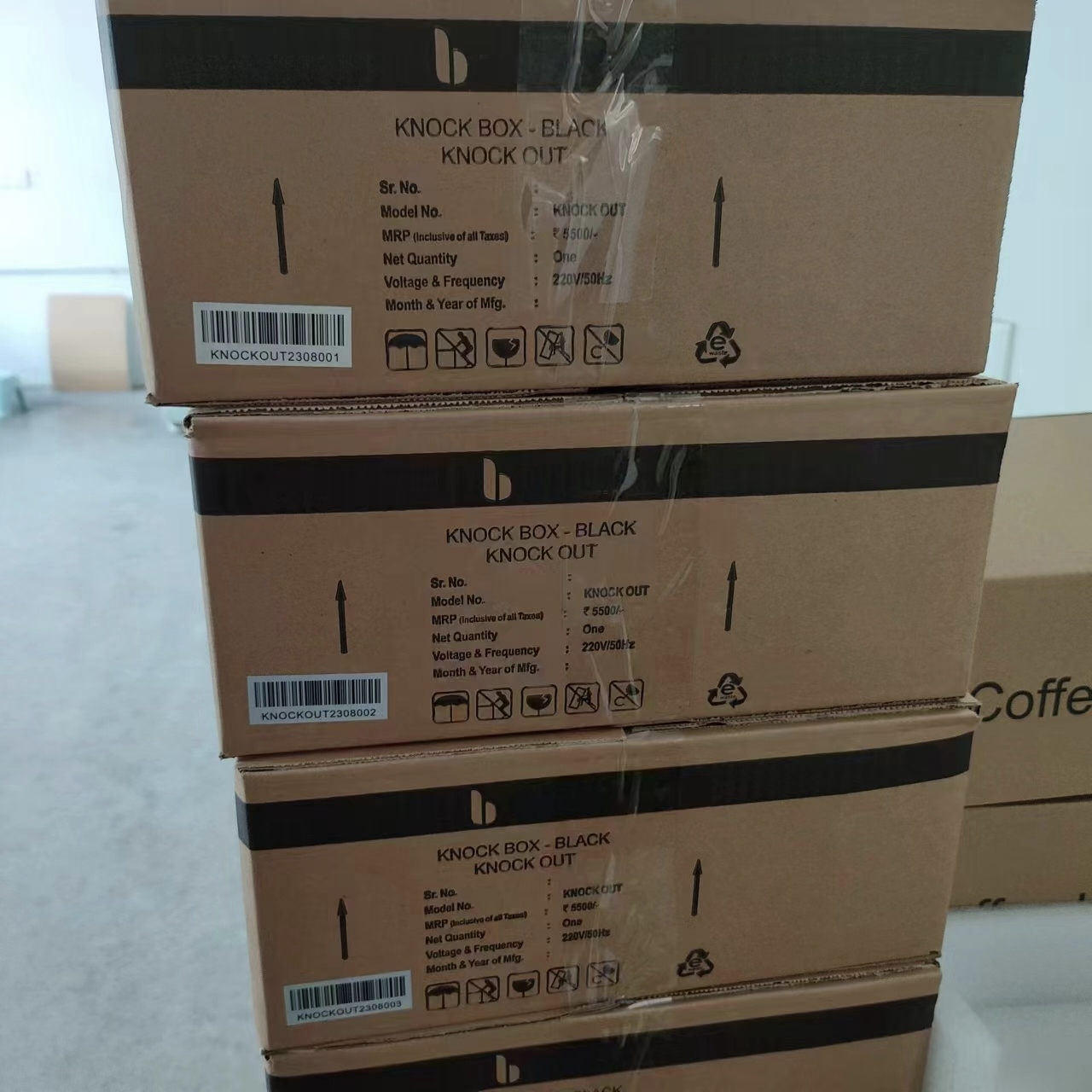
Traceability matters. One of their non-negotiables was barcode verification on every outer carton. This is a shot from the packing line—barcode visible, no client logo. It’s the kind of operational detail that makes a distributor’s warehouse workflow smooth.
Now, every time they exhibit at a trade show in India, they send me photos. Looking at those booth shots and videos, you can tell—they’re doing it right. Solid products, a professional team. If I were a customer, I’d feel confident buying from them.
Looking back, what made this partnership work was simply doing our part. Let the technical teams talk through the specs. Handle the paperwork—shipping docs, customs clearance, packaging lists—clearly and carefully. And when they visit? Be their secretary. Book the tickets, arrange the pickups, take care of the little things so they don’t have to think about them.
For those of us in the professional espresso machine business, specs at similar price points don’t vary much. What sets you apart is how you handle the “complicated” stuff. A client with lots of requirements? That’s not a problem. Solve their headaches, and you earn their trust.
We have the capability to work with distributors who need that level of detail—like Seth and Satish. And we’re always happy to talk with startups just getting into this market. Our last post tells the story of two distributors who started at the same time but took very different paths. Might give you some ideas:
We also supply espresso machine parts wholesale to partners who prefer to handle local assembly or after-sales support—just ask.